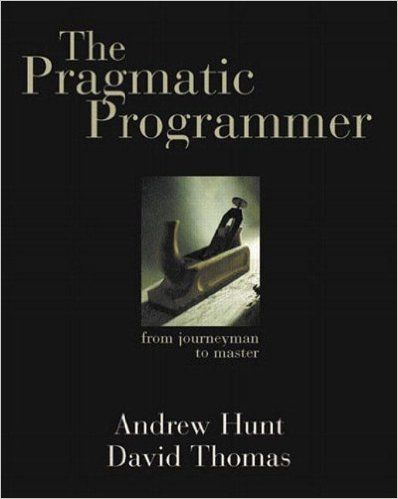
This book doesn’t teach you a language. It teaches you how to think about the craft of writing software. The advice spans decades without feeling dated because the underlying problems haven’t changed — bad abstractions, fragile systems, poor communication, unrealistic estimates.
The “Don’t Repeat Yourself” principle alone is worth the read if you haven’t internalized it. But the book goes much further — it talks about tracer bullets, software entropy, rubber duck debugging, and the psychology of how programmers get themselves into trouble.
Some sections feel more like management advice than engineering advice, which I have mixed feelings about. But the core technical chapters are genuinely good. The section on debugging in particular is one of the clearest pieces of writing I’ve read on the subject.
The 20th anniversary edition updates some examples but the core text is largely unchanged. Which, in a way, proves the point.
What I took away: The value of small, frequent iterations. The importance of owning your tools. The habit of noticing when something feels wrong and stopping to fix it instead of working around it.